The best triathlon sunglasses are the ones you forget you are wearing for the whole bike and run. Pick the frame for your riding position first, then the lens for your race-day light.
The short answer. For most triathletes, the Oakley Sutro or Oakley Sphaera with a Prizm Road lens. Both have a tall lens that still covers your eyes when you lift your head in the aero position. If you race in very bright Australian summer sun, choose Prizm Road Black or Prizm Black. If your race starts at dawn, or you train early and late, choose a Clear to Black photochromic lens.
01 / Frame
Start with your riding position
On a road bike you look ahead through the middle of the lens. On a tri bike, tucked low on the aerobars, you look out through the top of the lens, and a small frame leaves the top edge right across your view. That is why most triathletes end up in a big, tall lens.
Tall shield
Sutro, Sphaera, Jawbreaker. The most coverage when you look up the road from the aerobars.
Extended half-frame
Radar EV Path, Radar Plate. A taller lens on a classic Radar frame: open at the bottom, wide at the top.
Lighter and smaller
Sutro Lite, RSLV, Sphaera Slash. Less frame on your face for the run, still built for sport.
02 / Compare
Oakley performance sunglasses at TriShop
Features are from Oakley’s own product details. Live prices and stock are in the product list further down.
Light transmission is how much light the lens lets through. Lower numbers are darker. These figures are Oakley’s published specs for the lenses we stock.
Lens
Light through
Light
Use it for
Prizm Road
20%
Medium
The all-rounder: sharpens the road surface, so you spot potholes, glass and lane markings sooner
Prizm Road Jade
15%
Bright
Road contrast on sunnier days
Prizm Road Black
11%
Bright
Road contrast in full summer sun
Prizm Black
11%
Bright
Bright, exposed courses such as coastal and beach runs
Prizm Sapphire
12%
Bright
Bright light, with a mirrored blue look
Prizm Trail Torch
35%
Medium
Shade and changing light: trails, tree-lined roads, cloudy days
Clear to Black photochromic
Changes with the light
Changing
Dawn starts and early or late training: almost clear in low light, darkens in the sun
Every Oakley lens we sell blocks 100% of UVA, UVB and UVC.
04 / Race day
Five things that matter in a triathlon
Fit with your helmet. Try the glasses with your helmet on. The arms should sit above or below the helmet’s cradle, not pinch against it. The Oakley ARO5 Race has front vents that hold your glasses, with Unobtainium grippers to keep the arms in place.
Grip when wet. Sweat, water from aid stations and sunscreen all make glasses slide. Unobtainium nose pads and ear socks get grippier when wet, which is why every model above has them.
Airflow. If you fog up on a slow run, a vented frame like the Sphaera helps.
Set them up in T1. Put the glasses in your helmet with the arms open, so you can put them on in one move while you clip the strap.
One pair for bike and run. Pick a lens that works for both, usually Prizm Road. In a long-course race the light can change between the start of the bike and the end of the run.
05 / Questions
Questions we get asked in store
Which Oakley sunglasses are best for triathlon?
The Sutro or the Sphaera with a Prizm Road lens suits most triathletes. The big shield lens covers your eyes when you look up from the aerobars, and Prizm Road sharpens the road surface.
Do I need polarised lenses for triathlon?
Not for the bike. Polarised lenses cut glare off water and wet roads, but most riders prefer Prizm Road’s contrast on the road. Polarised is a good choice if most of your racing is on bright coastal courses.
What lens should I get for an early-morning race?
A Clear to Black photochromic lens. It is almost clear at dawn and darkens as the sun comes up, so you don’t need to swap glasses.
Can I get Oakley prescription lenses?
The Radar Plate is available with Oakley Authentic Prescription Lenses. Ask us in store and we will help you with options.


 Select options This product has multiple variants. The options may be chosen on the product pageQuick ViewEyewear, Oakley SunglassesPrice range: $170.40 through $244.74

 Select options This product has multiple variants. The options may be chosen on the product pageQuick ViewEyewear, Oakley SunglassesPrice range: $282.00 through $316.00

 Select options This product has multiple variants. The options may be chosen on the product pageQuick ViewEyewear, Oakley SunglassesPrice range: $237.68 through $341.00

 Select options This product has multiple variants. The options may be chosen on the product pageQuick ViewEyewear, Oakley SunglassesPrice range: $254.97 through $421.00
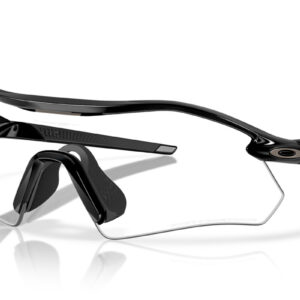
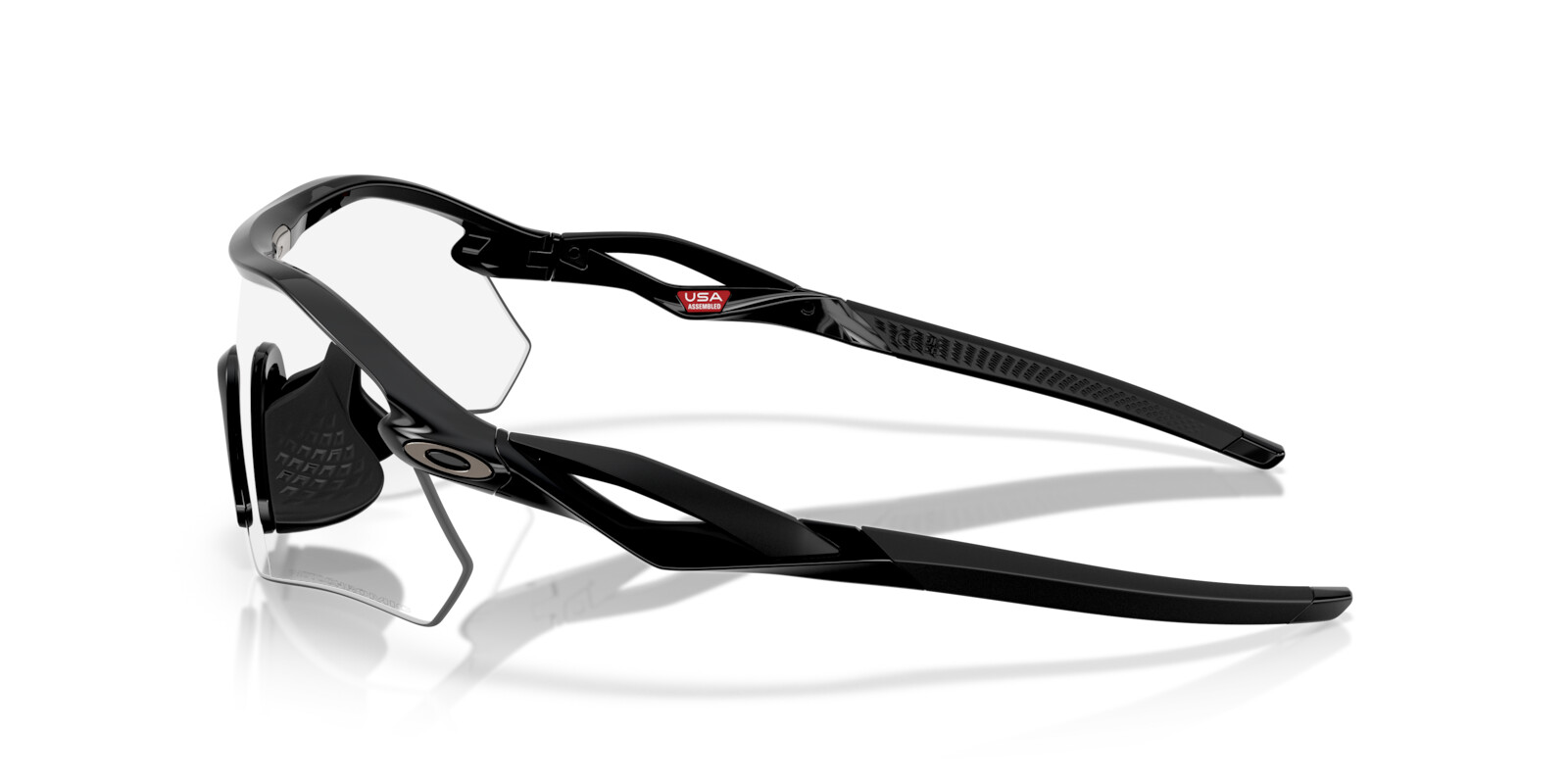 Select options This product has multiple variants. The options may be chosen on the product pageQuick View
 Select options This product has multiple variants. The options may be chosen on the product pageQuick View

 Select options This product has multiple variants. The options may be chosen on the product pageQuick ViewEyewear, Oakley SunglassesOriginal price was: $341.00.$238.70Current price is: $238.70.

